

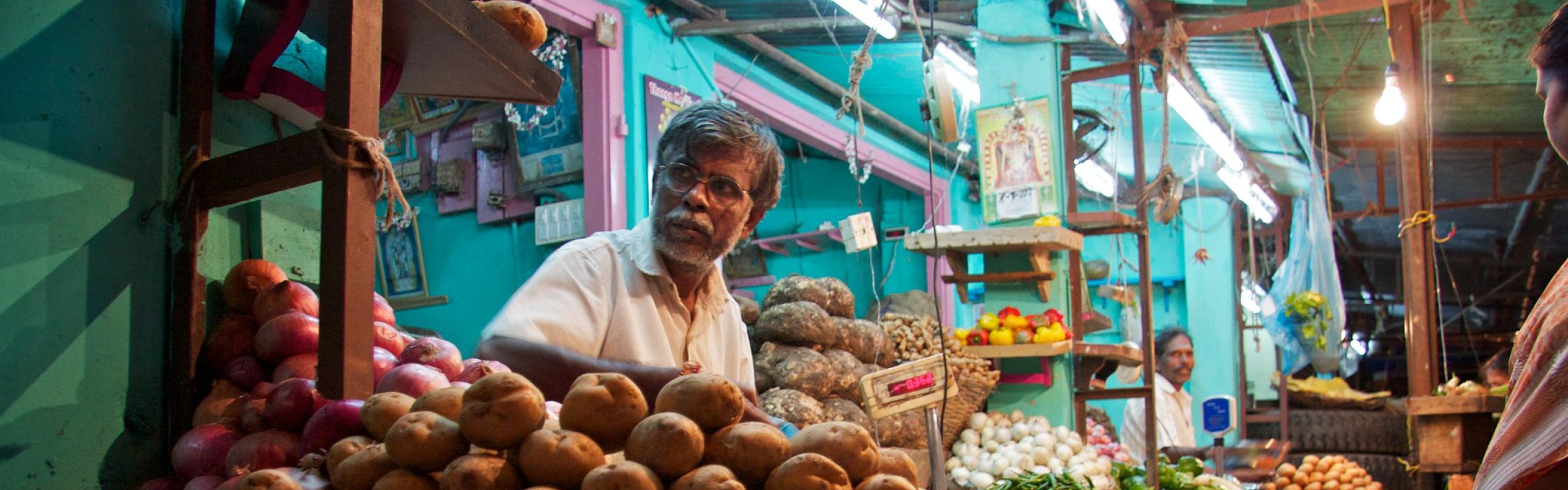
Food prices around the world are increasing once again in 2026, creating growing pressure on families, businesses, and governments. Economists and international organizations warn that climate change, extreme weather conditions, transportation disruptions, and ongoing geopolitical tensions are affecting global food supplies and pushing prices higher across multiple industries.
According to recent international market reports, the cost of essential food products including rice, wheat, vegetables, sugar, cooking oil, and meat has risen sharply during the first half of 2026. Experts say many countries are now facing renewed inflation concerns as supermarkets and restaurants continue increasing prices to manage rising supply costs. (reuters.com)
One of the biggest factors driving the crisis is climate change. Severe heatwaves, floods, droughts, and unpredictable rainfall patterns have damaged crops across several major agricultural regions. Farmers in parts of Asia, Africa, Europe, and North America are reporting lower harvests due to extreme weather conditions. Agricultural experts warn that climate instability is becoming one of the greatest threats to global food security. (un.org)
In India and Southeast Asia, rice production has been affected by irregular monsoon seasons and high temperatures. Meanwhile, drought conditions in parts of Europe and the United States have impacted wheat and corn production. Latin American countries are also experiencing agricultural disruptions linked to flooding and changing weather patterns. Analysts say global food markets are becoming increasingly vulnerable as climate-related disasters occur more frequently. (fao.org)
Transportation and supply-chain problems are adding even more pressure to the situation. Shipping costs remain unstable due to fuel price fluctuations, geopolitical conflicts, and disruptions in major trade routes. Several logistics companies have warned that delays at ports and shortages of transportation workers are slowing the delivery of food products worldwide. Businesses are being forced to pay more for imports, and those costs are eventually reaching consumers. (bloomberg.com)
The ongoing geopolitical tensions in parts of Europe and the Middle East are also affecting agricultural exports and energy prices. Experts say wars and political instability can quickly impact fertilizer production, fuel supplies, and international trade agreements, all of which influence food production costs. Some countries have already introduced export restrictions on certain agricultural products to protect local supply, creating additional uncertainty in global markets. (aljazeera.com)
Consumers worldwide are feeling the impact. Families in many countries are spending a larger percentage of their income on groceries and daily essentials. Restaurants and food delivery businesses are also raising prices as operational expenses continue increasing. Economists warn that rising food costs could worsen poverty and financial stress, especially in developing countries where millions already struggle with affordability. (worldbank.org)
Technology companies are now investing heavily in agricultural innovation to address future food shortages. Artificial intelligence, automated farming systems, vertical farming, and lab-grown food technologies are becoming more popular as businesses search for sustainable solutions. Some experts believe advanced farming technologies could eventually reduce food production risks and improve efficiency. (techcrunch.com)
Despite these innovations, food security experts warn that long-term solutions will require global cooperation, environmental protection, and stronger investment in sustainable agriculture. Climate scientists say the world must prepare for more frequent agricultural disruptions in the coming years if global temperatures continue rising.
As food prices continue climbing in 2026, governments, businesses, and consumers are all facing increasing pressure to adapt to a rapidly changing global economy where food security is becoming one of the most important issues of the modern era.
