
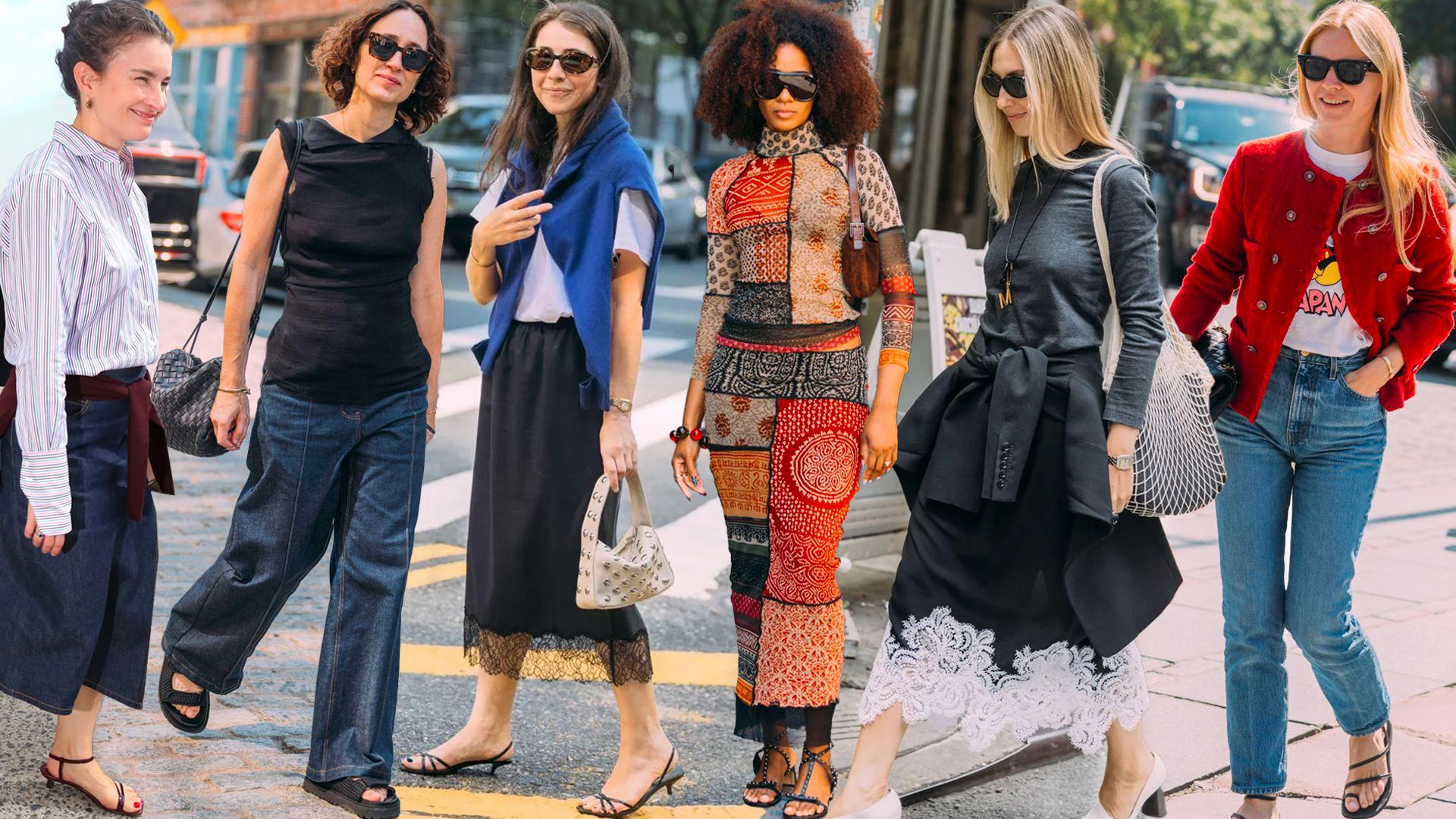
New York Fashion Week Turns to Reinvention as Classic American Style Meets Gen Z
Fashion has always had an unusual relationship with the past. Designers are expected to create something new, yet some of the most successful collections begin with clothes people already recognise.
That tension was visible throughout the latest New York Fashion Week, where established American designers revisited familiar ideas—prep, polo shirts, tailoring, stripes and sportswear—but presented them through a more contemporary lens.
Tommy Hilfiger returned to the New York schedule with a collection he described as “Prep Made Current,” while Michael Kors looked to sculpture, graphic patterns and the visual character of New York for his Spring/Summer 2027 collection.
Together, the shows reflected a wider question facing the fashion industry: how do heritage brands remain recognisable without becoming trapped by their own history?
Fashion Is Rediscovering Familiar Clothes
The fashion cycle has always moved between experimentation and nostalgia. One season may emphasise futuristic materials or exaggerated silhouettes. Another brings back designs associated with earlier decades.
The current interest in familiar clothing is particularly interesting because younger consumers have access to decades of fashion history through social media.
A teenager can discover a 1990s runway show, a 1970s advertising campaign and a current collection on the same screen within minutes.
As a result, the boundaries between “old” and “new” have become less obvious.
A style that feels nostalgic to one generation can feel completely new to another.
Tommy Hilfiger Returned to His Own Fashion Vocabulary
Tommy Hilfiger's latest New York presentation leaned directly into the visual identity that helped establish his brand.
The Spring/Summer 2027 collection included oversized polo shirts, plaid bucket hats and colourful interpretations of classic American prep. Reuters reported that Hilfiger said the objective was to modernise the style for Gen Z rather than abandon the brand's established identity.
That approach illustrates an important challenge for long-established fashion companies.
If they change too dramatically, consumers may stop recognising them. If they repeat old collections too closely, they risk appearing irrelevant.
Reinvention therefore happens somewhere between those extremes.
The Plaza Hotel Became Part of the Story
Hilfiger staged his show at New York's Plaza Hotel, a location carrying its own history and cultural associations.
The setting was especially personal because Hilfiger once lived there.
Gigi Hadid opened the runway, while the audience included figures from fashion, music and sport. Reuters reported that Kate Moss, Camila Cabello and NBA players were among the guests.
The event also incorporated music and performance, reinforcing how modern fashion shows increasingly operate as entertainment productions rather than simple presentations of clothing.
The Runway Is Becoming a Cultural Event
Fashion Week once primarily served buyers, editors and industry professionals who needed to see new collections before they reached stores.
That function still exists, but the audience has expanded enormously.
A runway show can now generate millions of views through social media.
Short clips appear almost immediately.
Celebrity arrivals become content.
Backstage footage circulates online.
Individual outfits can become memes or trends before the show has even finished.
The result is that designers are not only creating clothes. They are creating moments designed to travel across digital culture.
Gen Z Does Not Experience Fashion in a Straight Line
Previous generations often encountered trends through magazines, television, shops or celebrities.
Young consumers now experience fashion through a far more fragmented environment.
A TikTok video may revive a forgotten style.
A vintage photograph can influence a modern outfit.
A television series can bring an older aesthetic back into circulation.
A musician can make an unfashionable item suddenly desirable.
Online resale platforms also make older clothing easier to obtain.
Fashion history is therefore no longer arranged neatly by decade.
Everything exists at once.
That Makes Heritage Surprisingly Valuable
Brands with long histories possess something newer companies cannot manufacture quickly: archives.
Old designs can be revisited.
Logos can be reinterpreted.
Past campaigns can inspire new imagery.
Classic products can return with altered proportions or materials.
For a younger customer, this does not necessarily feel like repetition.
A design created decades before they were born may feel like discovery.
That gives established brands an opportunity, provided they can avoid simply reproducing the past.
Michael Kors Took a Different Route
Michael Kors also looked backward and outward for inspiration, but his collection approached reinvention through art and architecture.
Reuters reported that the designer's Spring/Summer 2027 show incorporated graphic stripes, strong tailoring and sculptural influences. The presentation took inspiration from the Museum of Modern Art's sculpture garden and artists including Carmen Herrera, Alexander Calder and Ellsworth Kelly.
The result connected clothing with another creative discipline.
Instead of treating fashion as an isolated industry, the collection placed it in conversation with modern art.
Clothes Can Borrow the Language of Architecture
Fashion and architecture share several basic concerns.
Shape.
Structure.
Proportion.
Material.
Movement.
Space.
A sculptural garment can alter how the body appears in much the same way that architecture changes how people experience a physical environment.
Sharp shoulders can create authority.
Flowing fabric can create movement.
A strongly defined waist changes proportion.
Geometric stripes can direct the eye.
These are visual decisions before they are commercial ones.
New York Itself Remains Part of the Fashion Identity
Kors' use of black and white reflected what Reuters described as the visual character of New York, while brighter red, green and yellow accents introduced energy into the collection.
This relationship between designer and city is important.
Paris carries one fashion identity.
Milan another.
London another.
New York has traditionally been associated with a combination of practicality, sportswear, business dressing and commercial energy.
Designers can challenge those traditions, but they rarely escape them completely.
Fashion Week Is Also a Business Event
Behind the celebrity guests and runway photographs sits an enormous commercial industry.
A collection eventually has to sell.
Designers may receive praise from critics, but brands also need customers to purchase handbags, dresses, shoes and accessories.
This creates another tension.
Runway fashion benefits from spectacle because unusual designs attract attention.
Retail fashion needs wearability because customers need clothes they can actually use.
Successful brands often operate in both worlds simultaneously.
Michael Kors Faces Commercial Pressure
The creative discussion around the Kors collection comes at a difficult business moment for its parent company, Capri Holdings.
Reuters reported that Michael Kors had experienced 15 consecutive quarters of declining sales, with revenue falling to about $590 million in its latest reported quarter. Capri has been reducing promotions, updating stores and investing in new products as it works to strengthen the brand.
That context makes reinvention more than an artistic exercise.
It becomes a business necessity.
Younger Consumers Are Difficult to Win
Gen Z is often discussed as though it were a single consumer group with predictable preferences.
Reality is much messier.
Some younger shoppers embrace luxury brands.
Others prefer second-hand clothing.
Some follow rapidly changing micro-trends.
Others deliberately reject trends.
Price sensitivity also matters, particularly when household budgets are under pressure.
A fashion company cannot simply place a younger model in an advertisement and assume it has become relevant to younger customers.
The product itself needs to connect.
Social Media Has Accelerated the Trend Cycle
Fashion once operated through relatively predictable seasonal calendars.
Designers presented collections months before products reached shops.
Magazines interpreted the trends.
Retailers then brought them to consumers.
Social media has compressed that process.
A photograph from a runway can spread globally within seconds.
Consumers can react immediately.
Fast-fashion companies can respond quickly.
Influencers can reinterpret a look before the original designer's collection even reaches stores.
That creates enormous pressure on traditional fashion calendars.
But Faster Does Not Always Mean Better
The speed of digital fashion culture has also contributed to fatigue.
When a new aesthetic appears every few weeks, consumers may become less interested in constantly rebuilding their wardrobes.
This can help explain renewed interest in classics.
A good blazer does not depend on a three-week trend.
Neither does a polo shirt.
Nor a simple dress.
Familiar garments can offer stability in an industry obsessed with novelty.
The innovation comes through styling, proportion, fabric and context.
Personal Style Is Becoming More Important
The internet gives people access to more fashion inspiration than ever before.
Paradoxically, that abundance can make following a single trend less important.
Someone can combine vintage clothing, luxury pieces, sportswear and inexpensive basics in the same outfit.
Fashion identity becomes assembled rather than prescribed.
This creates opportunities for heritage brands because their products can become ingredients in an individual's style rather than complete uniforms.
A classic item does not need to dictate an entire look.
It simply needs to fit into one.
Celebrity Still Matters
Despite all the technological change, celebrity remains one of fashion's most powerful marketing tools.
Gigi Hadid opening a show immediately expands its audience.
A musician sitting in the front row creates social-media attention.
An actor wearing a runway look can turn a garment into a global image.
The difference is that celebrity influence now spreads much faster.
A front-row photograph once appeared in magazines days or weeks later.
Today it can reach millions before the runway show ends.
Fashion and Entertainment Are Blending Together
This helps explain why modern runway shows increasingly incorporate music, dramatic venues and live performances.
The event itself must compete for attention.
Consumers have endless entertainment options on their phones.
A straightforward line of models walking through a neutral room may not generate the same digital impact as a carefully constructed cultural moment.
Fashion houses therefore behave partly like media companies.
They produce images, videos, performances and personalities around the clothes.
Physical Stores Are Changing Too
If consumers can buy clothing online, stores need to offer something beyond access to inventory.
Many fashion companies are redesigning stores around experience.
Architecture becomes more important.
Product presentation becomes more theatrical.
Some locations host events or personalised services.
The goal is to give people a reason to visit physically rather than simply click “buy”.
This mirrors what is happening on the runway.
Fashion is increasingly selling an environment around the product.
Sustainability Complicates the Reinvention Cycle
The constant demand for new collections creates an obvious environmental problem.
Clothing production requires energy, water, raw materials and transportation.
When trends move rapidly, garments may be discarded long before they are physically worn out.
Reworking classic designs could offer a different philosophy.
If an item remains culturally relevant for years rather than weeks, consumers may be more willing to keep it.
That does not automatically make a brand sustainable, but longevity can be part of a more durable approach to fashion.
Vintage Culture Is Changing Brand Strategy
The popularity of second-hand fashion has also altered how consumers view older clothing.
A decades-old garment can gain value because of its history.
Archive pieces can become highly desirable.
Designers increasingly understand that their past collections continue circulating long after the original season ends.
This means today's design may eventually become tomorrow's vintage item.
Fashion is no longer consumed only in the moment it is released.
The Archive Has Become a Creative Resource
For designers, archives provide a visual language.
A collar from the 1980s can be enlarged.
A 1990s colour palette can return.
An old logo can appear in a new context.
A classic silhouette can be reconstructed using modern fabric.
This allows brands to maintain continuity while still changing.
Hilfiger's modernised prep is a clear example.
The underlying vocabulary remains familiar.
The sentence is different.
Art Offers Another Route to Reinvention
Michael Kors' sculptural influences demonstrate another way established brands can evolve.
Instead of looking only at previous fashion, designers can look at painting, architecture, photography or sculpture.
Creative disciplines constantly borrow from one another.
A colour combination from a painting may become a dress.
The geometry of a building may inspire a jacket.
A sculpture may influence how fabric sits around the body.
That cross-pollination keeps familiar clothing from becoming static.
New York Fashion Week Is Ultimately About Change
Around 70 shows and presentations formed part of this season's New York Fashion Week programme, according to Reuters.
Not every collection pursued the same aesthetic.
That is precisely the point.
Fashion Week is less about declaring one universal way people should dress and more about presenting competing ideas about what might come next.
Some designers chase novelty.
Others revive history.
Some focus on craftsmanship.
Others prioritise spectacle.
The strongest ideas often combine several approaches.
The Future May Look Surprisingly Familiar
The most interesting lesson from this season may be that fashion does not always move forward by abandoning the past.
Sometimes progress means understanding why an old idea worked and then changing it enough to belong to a different generation.
A polo shirt can remain a polo shirt.
A striped dress can remain recognisable.
A tailored suit does not need to be reinvented beyond recognition.
What changes is the proportion, styling, material and cultural context surrounding it.
That is what designers such as Tommy Hilfiger and Michael Kors are attempting as fashion competes for the attention of younger consumers.
For an industry that constantly asks what is next, the answer may sometimes already be hanging in the archive.
It simply needs to be seen differently.