

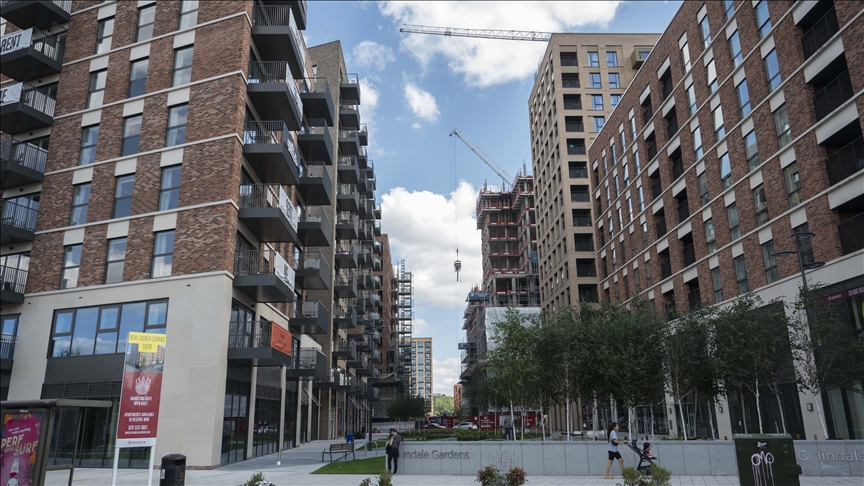
The global housing crisis is becoming one of the biggest economic and social challenges of 2026 as rising property prices and increasing rental costs continue to affect millions of people around the world. From major cities in Europe and North America to rapidly growing regions in Asia and the Middle East, affordable housing is becoming harder to find for middle-class families, young professionals, and first-time buyers.
According to international real estate analysts, housing demand remains extremely high while supply shortages continue to push prices upward. Many countries are facing a severe lack of affordable homes due to population growth, urban expansion, rising construction costs, and economic instability. Experts warn that if governments fail to address the issue, the housing crisis could create long-term financial pressure on global economies. (reuters.com)
In several major cities including London, New York, Toronto, Dubai, Sydney, and Singapore, rental prices have reached record highs during the first half of 2026. Reports show that many tenants are now spending more than 40% of their monthly income on housing alone. Financial experts say this trend is forcing people to delay home ownership, relocate to cheaper areas, or live with family members longer than expected. (forbes.com)
One major reason behind the crisis is the increasing cost of construction materials and labor. Builders across the world are struggling with higher prices for steel, cement, transportation, and energy. In some regions, labor shortages and supply-chain disruptions are slowing down major residential projects, creating additional pressure on already limited housing supply. Analysts say construction companies are now focusing more on luxury developments because they generate higher profits, leaving fewer affordable options available for average buyers. (bloomberg.com)
Interest rates are also playing a significant role in the market slowdown. Central banks in many countries increased interest rates over the past two years to control inflation, making mortgages more expensive for buyers. As borrowing costs rise, many families are struggling to qualify for loans or manage monthly mortgage payments. Economists warn that prolonged high interest rates could reduce home ownership rates in several countries. (cnbc.com)
At the same time, wealthy investors and large investment firms continue purchasing properties worldwide, especially in high-demand cities and tourist destinations. Critics argue that corporate real estate investments are making housing less accessible for local residents. Some governments are now considering new taxes, foreign ownership restrictions, and rental regulations to control property speculation and protect local buyers. (theguardian.com)
Technology is also changing the real estate industry. Artificial intelligence and data-driven property platforms are helping investors identify profitable markets faster than ever before. While some experts believe technology can improve efficiency and transparency, others fear it may accelerate price increases by enabling large-scale investment strategies. Real estate companies are increasingly using AI for property valuations, market predictions, and customer targeting. (techcrunch.com)
The crisis is affecting younger generations particularly hard. Surveys show that many millennials and Gen Z buyers believe owning a home is becoming financially impossible in major urban areas. Social media platforms are filled with discussions about rising rent, shrinking apartments, and the growing gap between wages and property costs. Economists say housing affordability may become one of the defining economic issues of the next decade. (bbc.com)
Despite the challenges, some governments are launching affordable housing projects and offering incentives for first-time buyers. Urban planners and economists argue that stronger policies, faster construction approvals, and sustainable development strategies are necessary to stabilize the market and improve accessibility.
As the global housing crisis continues to expand, millions of people are now questioning whether affordable home ownership will remain achievable in the future or become a luxury available only to the wealthy.
